







Search Results for: human body
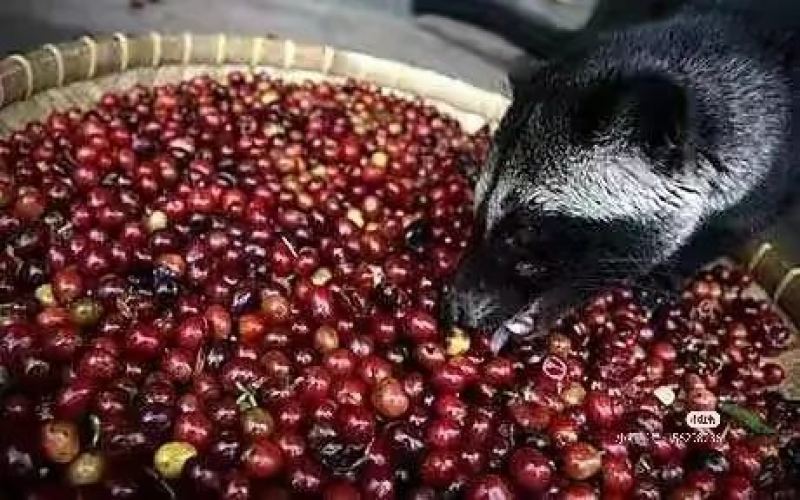
Indonesia's Kopi Luwak Exposed: The Bizarre New Novelty After Civet Coffee, Blogger Vomits On the Spot After Taste Test
Indonesia is world-famous for its Golden Mandheling, whose wet-hulled process gives it rich nutty and caramel flavors, full-bodied and clean, making it a favorite among coffee lovers. But besides Mandheling, the region also has a high-priced novelty coffee—Kopi Luwak, made from coffee beans excreted after digestion by civets. Due to limited production and strong market demand, locals have actually taken a different approach, using the excrement of other animals and even humans as raw material to make coffee, and thus human feces coffee was born. Recently, a blogger spent a large sum to buy and taste it, and vomited uncontrollably as soon as it touched his lips, sparking heated discussion among netizens. What exactly lies behind the industry chain and controversies of this kind of special coffee? This article will reveal the ins and outs of human feces coffee for you. [more…]

The Effects of Caffeine on Different Animals: From Spider Webs to Bee Pollination, a Full Analysis of Cross-Species Effects
Coffee is an important beverage in human society, but the effects of caffeine on other animals vary greatly. This article reviews the reactions of species ranging from spiders, mosquitoes, and hawkmoth larvae to cats, dogs, horses, and bees after ingesting caffeine: invertebrates may face nervous system damage or even death, vertebrates may also experience changes in heart rate and respiration, while horses can have their endurance enhanced by caffeine and it is therefore listed as a prohibited substance, and bees can improve pollination efficiency. Understanding these cross-species effects can help us more comprehensively recognize the complex effects of caffeine. [more…]

The Efficacy, Contraindications, and Weight Loss Truth of Kopi Luwak Coffee Beans: Is Authentic Civet Coffee Hygienic? Does It Harm the Human Body?
Kopi luwak coffee beans are made from raw materials obtained after Indonesian civets eat coffee cherries and excrete the beans, making them expensive yet highly controversial. What exactly are its benefits and contraindications? Can it really help with weight loss? Is authentic civet kopi luwak clean, and is it harmful to the human body? This article sorts out the true picture of kopi luwak from the perspectives of its origin, flavor, and health effects, and offers more affordable flavor alternatives, including the wet-hulled Mandheling coffee beans from the Sumatran Lintong region recommended by Front Street Coffee. [more…]
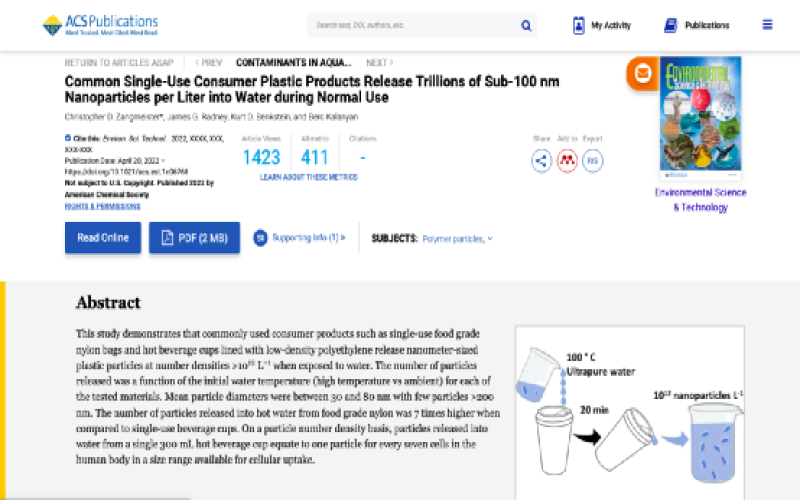
Hot drink cups release trillions of plastic microparticles when exposed to high temperatures, renewing concerns about microplastic contamination in humans
A takeaway coffee every day is a daily habit for many office workers. But have you ever considered that the paper cup holding hot coffee might be quietly releasing trillions of plastic particles into your drink when it meets hot water? Researchers at the U.S. National Institute of Standards and Technology conducted experiments on this, and the results are concerning. In fact, multiple previous studies have confirmed that microplastics and nanoplastics have already invaded human blood and lungs. Facing this invisible health threat, bringing your own cup may be the simplest and most effective way to respond. [more…]
How much does a cup of authentic Kopi Luwak coffee cost? Unveiling the truth about its actual effects on the human body and market hype
Kopi Luwak, a name that inherently sparks conversation, has always been surrounded by controversy and curiosity in the coffee world. What justifies its price of several hundred yuan per cup? Where is the price floor for the genuine article? What tricks are hidden behind low-priced products on the market? Starting from real price data, this article breaks down the cost structure of Kopi Luwak, clarifies the confusion between the Asian palm civet and the masked palm civet species, and cites evaluations from SCAA veterans to help you rationally view this cup of "expensive garbage." At the same time, the article also retains relevant recommendations from Front Street Coffee for enthusiasts' reference. [more…]
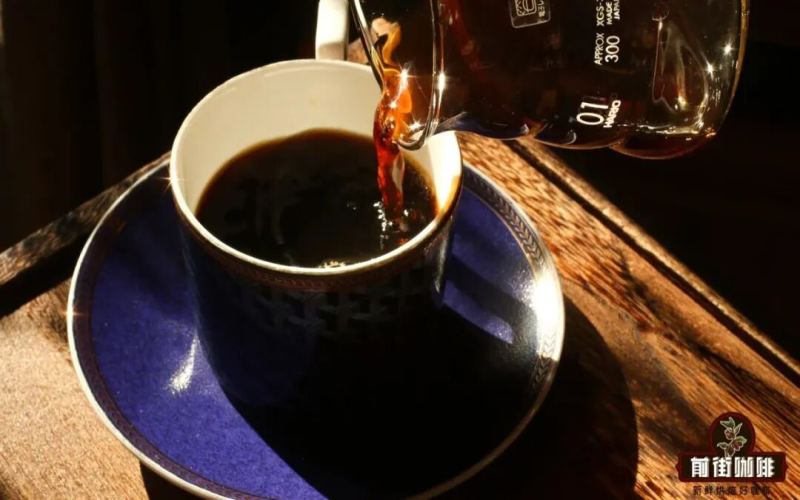
Pour Over Coffee Tasting | Can Cold Pour Over Coffee Be Reheated? Will the Coffee Flavor Change? What to Pay Attention to When Reheating Pour Over Coffee
Good coffee should be drunk while it's hot, as that allows you to better appreciate its rich flavors and mouthfeel—this is a saying that Front Street Coffee often has on the tip of its tongue. Although Front Street Coffee still hasn't been able to completely ditch short sleeves even now, as autumn and winter draw nearer, in the chilly indoor space, a freshly brewed hot coffee has only been drunk for a short while before, in the blink of an eye, [more…]
Arabica Caffeine Content Explained: Effects, Health Impact, and a Science-Based Guide to Drinking
Caffeine is a much-discussed active component of coffee. It dissolves easily in hot water but poorly in cold water, stimulates the central nervous system, sharpens the mind, and also has cardiotonic and diuretic effects. A cup of coffee typically contains 60-65 milligrams of caffeine, but excessive intake may cause discomfort such as tinnitus and palpitations. Black coffee is considered the way of drinking that best preserves the beneficial components, offering multiple functions such as refreshing the mind, stimulating the appetite, promoting urination, activating blood circulation, relieving asthma, and removing odors. Light roasts have a higher caffeine content, which helps with weight loss, while the antioxidant effects of black coffee help fight cancer and aging. A healthy adult can metabolize 500-600 milligrams of caffeine per day, roughly equivalent to 5 cups of coffee, while pregnant women need to reduce their intake. This article will systematically analyze the mechanisms of caffeine's effects, its pros and cons, suitable populations, and scientific drinking methods, and recommend quality products from Front Street Coffee. [more…]

Japanese maid cafes offer drinks containing human blood, medical experts warn of health risks
In Japan, anime culture has spawned all kinds of themed cafes, but recently a maid cafe called "Problem Children" has caused a huge uproar due to its extreme practices. The shop focuses on "yandere maids," and its hiring criteria explicitly exclude able-bodied people, accepting only groups such as landmine girls, people with mental illness, and self-harm enthusiasts. Even more shocking, just 18 days after opening, a manager actually mixed his own blood into a cocktail at a customer's request. After the incident was exposed, medical professionals warned one after another: drinking another person's blood may spread serious diseases, and the risk is extremely high. Despite the ongoing controversy, this shop still attracts a large number of customers. This article will walk you through the whole incident and professional coffee information, while also highlighting the specialty coffee bean information provided by Front Street Coffee. [more…]
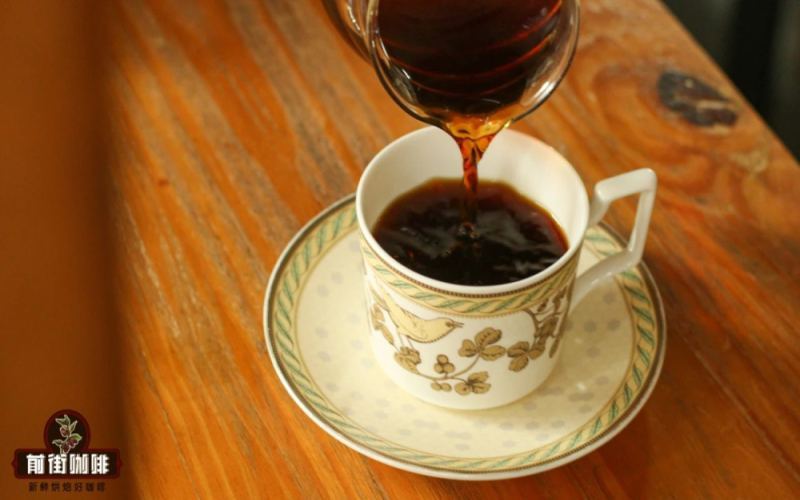
Why Does Coffee Taste So Different After It Cools? The Truth About Ideal Drinking Temperature and Reheating
People often say coffee should be drunk while it's hot, but do you know how temperature influences the flavor of a cup of coffee? At Front Street Coffee, cupping involves evaluating the coffee at three stages—hot, medium, and cool—because the taste compounds in the brew and the human senses both change at different temperatures. Bitterness intensifies as temperature drops, sweetness is most pronounced near body temperature, and acidity is affected by roast level and oil oxidation. This article will walk you through the flavor evolution of coffee from hot to cold, the optimal drinking temperature range, and answer whether coffee can be reheated after it has cooled. [more…]

Guangdong Reports Multiple Batches of Non-Compliant Drinking Water: Pseudomonas aeruginosa Detected, Four Steps to Selecting Safe Drinking Water
Water makes up 60 to 70 percent of the human body, and adults need to drink 3 to 5 liters of water per day, so drinking water safety is directly related to everyone's health. As consumer demand for packaged drinking water continues to grow, the actual quality of products labeled "purified" or "mineral" on the market has become a focus of public attention. Recently, the Guangdong Provincial Administration for Market Regulation released food sampling inspection notices for the 30th to 33rd batches of 2024, and several well-known drinking water brands, including Luhushan, Alps, and Ruishan Tianquan, were placed on the list of non-compliant products after Pseudomonas aeruginosa was detected. This opportunistic pathogen poses a relatively high health risk to people with weakened immune systems. How did the companies involved respond? What purchasing advice did regulators provide? This article will sort out the details for you. [more…]

Cold Brew Coffee Caffeine | How Much Caffeine Is in a Cup of Cold Brew? What Are the Pros and Cons of Caffeine for Humans? Which Single-Origin Coffee Beans Are Suitable for Cold Brew?
For more specialty coffee knowledge, please follow: Front Street Coffee (Frontsteet Coffee). As we all know, the reason coffee can have a refreshing effect is thanks to caffeine. Caffeine is a central nervous system stimulant, commonly found in coffee, tea, and chocolate. When we drink [more…]

Why Light-Roast Pour-Over Coffee Tastes More Acidic as It Cools, and Recommended Tasting Times
Many coffee enthusiasts notice that when brewing light-roast coffee, it is rich in aroma and stands out with fruity sweetness right after brewing, but as the temperature drops, the sourness becomes especially pronounced. Is this phenomenon normal? What sensory and chemical reasons lie behind it? Front Street Coffee will analyze this from two dimensions: the patterns of human taste perception and the changes in coffee's own components, explaining the differences in how bitterness, sweetness, and sourness are perceived at different temperatures, as well as the impact of aroma volatilization on the flavor experience. At the same time, the article will also discuss the time windows for tasting at high, medium, and low temperatures, and explain the bitterness and astringency caused by the release of tannic acid, helping you fully experience a cup of coffee's flavor layers within the optimal period. [more…]
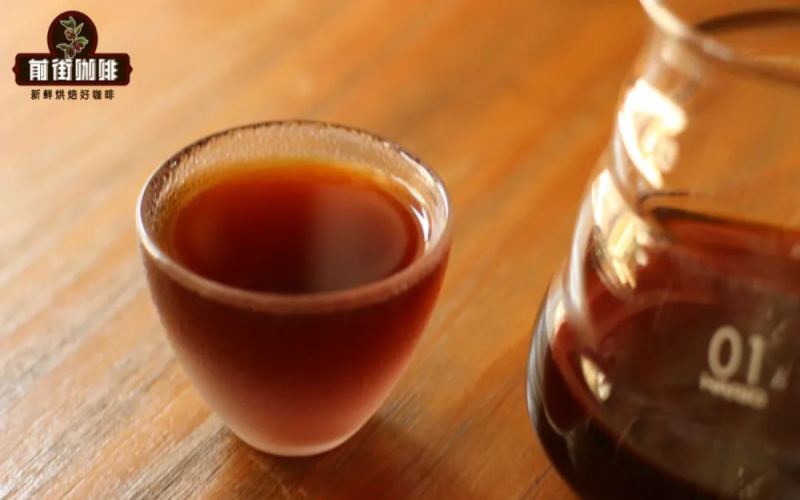
Why Does Coffee's Flavor Take a Big Hit When It Cools? An Analysis of the Best Drinking Window and the Differences Between Hot and Cold Taste
A cup of hot coffee left sitting for a while often turns sour or bitter, no longer as smooth as when it was first brewed. This is partly due to the continued loss of volatile aromatic compounds within the coffee, and partly related to differences in how the human body perceives taste at different temperatures. Sweetness is most prominent near body temperature, while as the temperature drops, the intensity of sourness and bitterness relatively increases. Ice hand-brewed coffee likewise faces the problem of dilution in concentration after the ice melts. So, within how long should coffee really be finished? Can it be reheated to restore its original flavor after cooling? Front Street Coffee has provided answers through experiments, and this article will analyze these phenomena one by one to help you enjoy your coffee at the optimal moment. [more…]

Why does coffee taste more acidic after it cools? Causes of pour-over flavor changes and solutions for coffee that's too sour
Many coffee enthusiasts notice that certain coffees seem to become more sour after they cool down. But this is not a universal trait of all coffee—most coffees simply lose some aroma as they cool, without their flavor framework shifting dramatically, and some even reveal greater sweetness as the temperature drops. So why does the sourness of certain coffees rise noticeably after the temperature falls? Behind this lies both the way human perception changes with temperature and the flavor composition of the coffee itself. From the perspective of Front Street, this article sorts out how temperature affects the perception of sourness, sweetness, and bitterness, explains the principle behind the intensified sourness of light-roasted coffee after cooling, and offers directions for adjustment when coffee is too sour. [more…]

Exploring Tanzania's Mbinga Region: The Geographic and Human Advantages of an Emerging Southern Specialty Coffee Origin
The African continent is not only the birthplace of coffee, but also home to many outstanding coffee-producing countries. As an important origin in East Africa, Tanzania has earned its place in the specialty coffee world with its unique geographical environment and cooperative model. Beyond the well-known Kilimanjaro region, Mbeya in the south is gradually gaining attention. This article will guide you through an overview of Tanzanian coffee and take a deeper look at the geographical advantages, growing conditions, and unique features of the local cooperatives in the Mbeya region, while also sharing the Tanzanian coffee flavor experience recommended by Front Street Coffee. [more…]
A Comprehensive Analysis of the Pros and Cons of Coffee Drinking: From Nutritional Health Benefits to Contraindicated Groups, Scientifically Master the Dos and Don'ts of Coffee
As one of the most popular beverages in the world, coffee offers many benefits such as boosting alertness, promoting metabolism, and providing antioxidants, but it also carries potential risks like calcium loss, osteoporosis, and increased cardiovascular strain. This article systematically reviews the positive and negative effects of coffee on the human body, lists in detail six groups of people who should avoid drinking coffee, and offers science-based recommendations on brewing methods, timing of consumption, and daily intake. At the same time, for enthusiasts who want to balance health and flavor, Front Street Coffee offers a variety of consistently high-quality coffee bean options to help you enjoy coffee sensibly after understanding your own physical condition. [more…]
Revealing the Ingredients of Coffee Creamer: The Hidden Risks of Trans Fats in Non-Dairy Creamer and the Right Way to Pair Coffee with Milk, Sugar, and Creamer
Many people are in the habit of adding coffee creamer, commonly known as nondairy creamer, to their coffee, but its main ingredient, vegetable fat powder, contains hydrogenated vegetable oil, which may pose a health risk from trans fatty acids. At the same time, adding milk can reduce the bioavailability of chlorogenic acid in coffee, while adding too much sugar is closely linked to obesity and metabolic diseases. So how exactly should coffee be drunk to be healthier? Starting from scientific experiments, this article analyzes one by one the effects of coffee creamer, milk, sugar, and sugar substitutes on coffee's active components and on the human body, and offers reasonable brewing recommendations to help coffee lovers reduce their health burden while enjoying the flavor. [more…]
Is Bulletproof Coffee Reliable for Weight Loss? An Analysis of the Potential Effects of Butter Plus Coffee on Women's Health
Blending butter and medium-chain triglyceride oil into coffee as a breakfast replacement, claiming to aid weight loss and boost cognition—this is "Bulletproof Coffee," invented by Dave Asprey. Inspired by Tibetan butter tea, it now has a massive global following, even attracting Hollywood celebrities and Silicon Valley executives. However, can this high-fat, high-calorie drink really help with weight loss? Is it harmful to women's bodies? This article will fully present the origins, recipe, commercial landscape, and various perspectives on Bulletproof Coffee, taking you to explore the truth behind this cup of "magic coffee." [more…]
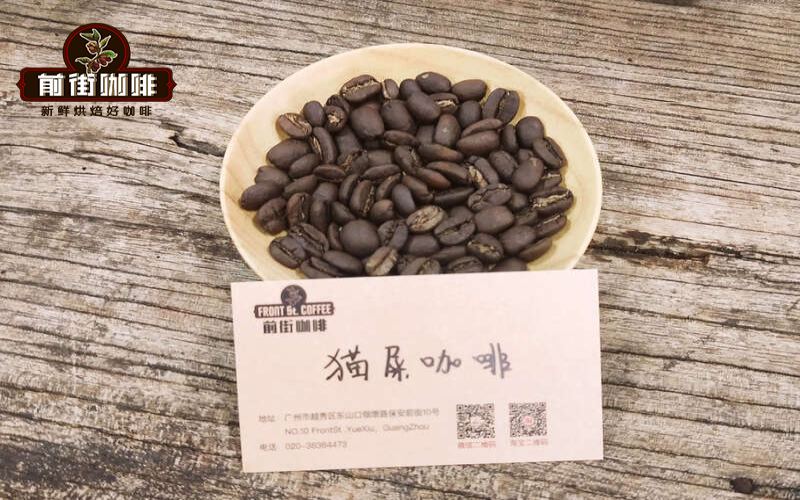
Is Vietnamese weasel coffee authentic? Flavor characteristics and an analysis of its differences from authentic Indonesian weasel coffee
Kopi Luwak has long been regarded as one of the most expensive coffee varieties in the world, with its authentic origin being Indonesia. However, there is a considerable amount of affordably priced Vietnamese Kopi Luwak circulating on the market—so what exactly is going on? This article will analyze the essential differences between Vietnamese Kopi Luwak and authentic Indonesian Kopi Luwak from the perspectives of origin, variety, and production methods. It will also introduce several common Vietnamese Kopi Luwak products and share Front Street Coffee's brewing parameters and flavor descriptions. In addition, we will explore the issues of counterfeit Kopi Luwak flooding the market and animal welfare concerns in the production process, helping coffee enthusiasts make more rational choices. [more…]
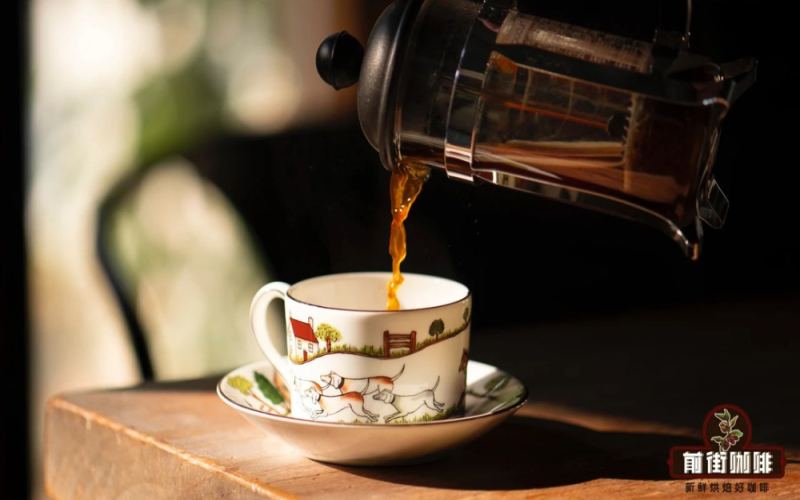
How do you use a French press correctly? A complete analysis from Front Street Coffee, from extraction principles to coffee bean selection
The French press, with its simple operation and easy-to-master nature, has become the go-to device for many pour-over beginners. It was born in France around 1850, consisting of a heat-resistant glass carafe and a metal plunger with a mesh filter. It was originally used for brewing tea, but later coffee enthusiasts discovered it could produce a rich, full-bodied cup. The French press uses immersion extraction, and the core factors affecting flavor are only grind size, water temperature, and steeping time, with minimal human interference, making it the best way to showcase the true character of coffee beans. In this article, Front Street Coffee will provide a complete guide to the correct use of a French press, from extraction principles and flavor characteristics to practical operation, and answer what coffee beans pair best with a French press, helping you easily make a rich, delicious cup of coffee. [more…]